
Screws Loose
Not stupid. Just a letter wheel missing some letters.
Jonas (10) hated reading.
This wasn’t just a kid resisting books. In his case it was a genuine struggle. Years of letters behaving wrongly, words coming out strange, classmates laughing.
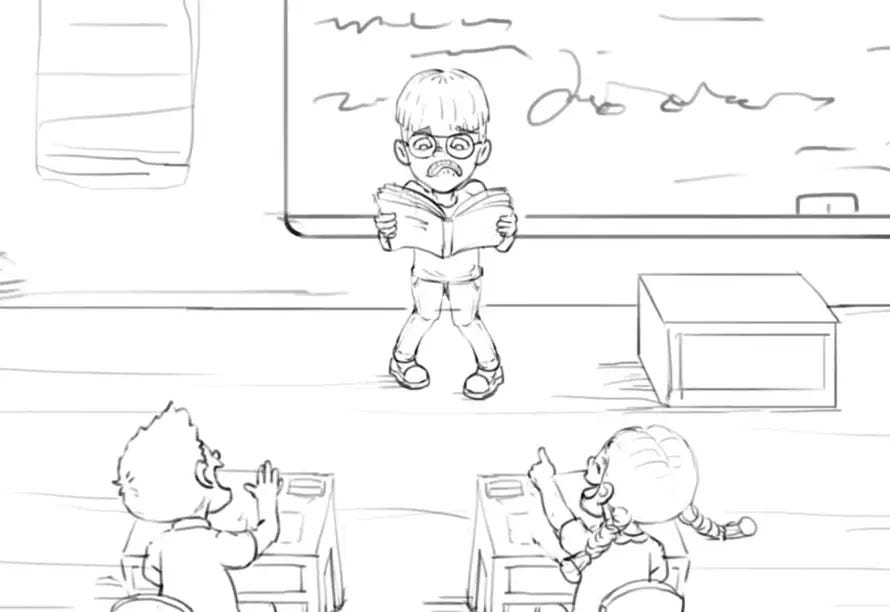
The first thing he told me:
I can’t read. I am stupid.
Eyes closed, we took a closer look inside his body.
The pathways from his eyes looked completely twisted to him.
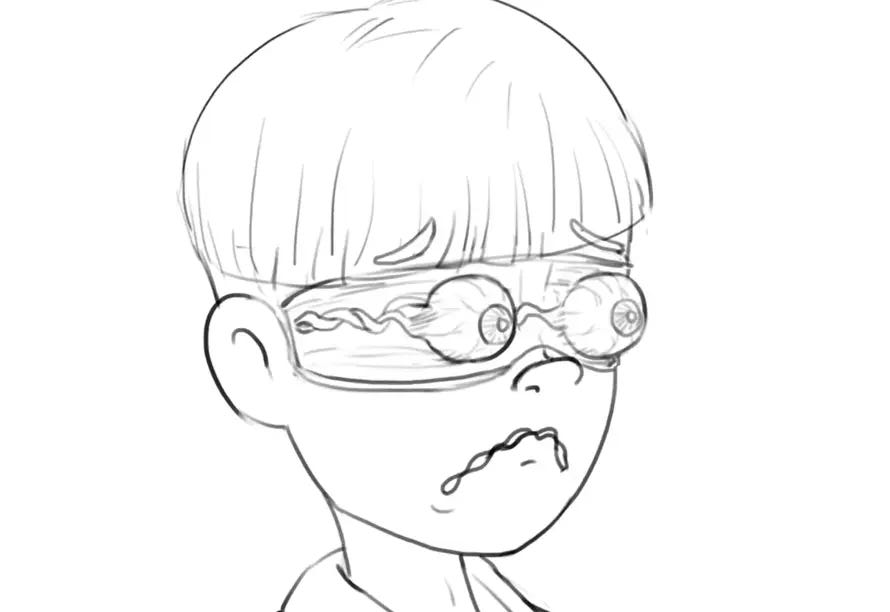
He wondered whether that might be why he confused certain letters. It might well be, I told him.
We followed the reading pathway inward. The place where letters should arrive and be processed, his Letter Room. This definitely wasn’t where it was supposed to be. He felt it lower down, somewhere in his throat.
This is something I see regularly in children with learning difficulties. The processing feels displaced, as if the signal is taking a longer route than necessary.
He imagined moving the letter room up to its correct position, the upper left part of his head. It immediately felt right, Jonas said.
Inside the letter room, we found the machine.
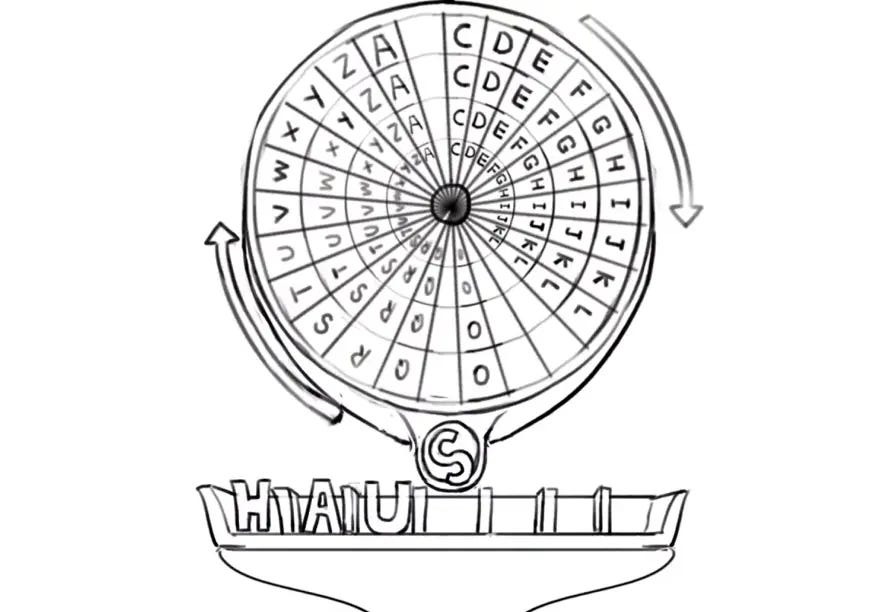
In the center was a letter wheel. Letters fell in, were sorted, and travelled by cables — some to the mouth for speaking, some to the writing hand. The whole system, explained by a ten-year-old with the precision of an engineer.
The wheel had stopped turning. The letters p, g, and n had fallen out and jammed it. He immediately understood why those three were the ones he consistently dropped or mispronounced.
He fixed the wheel himself. Decided the cables were too thin and installed thicker ones so the words could travel more reliably to his mouth and hand.
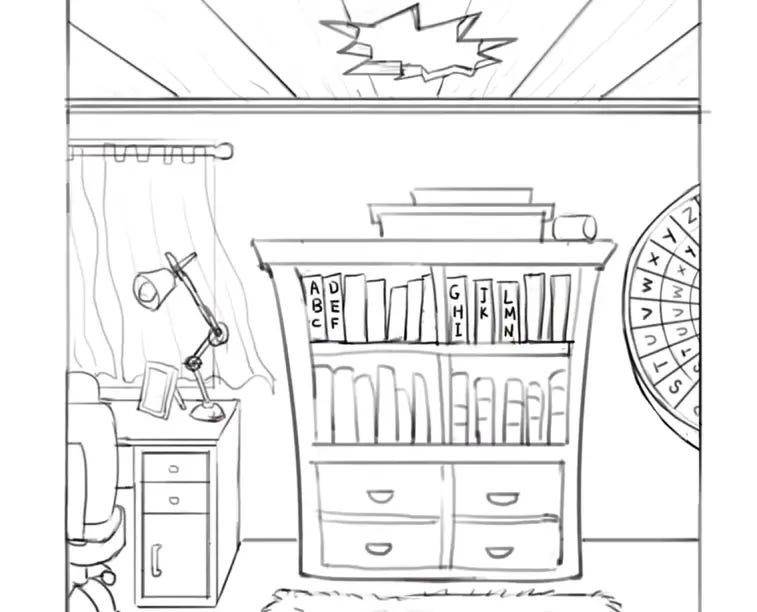
Then he found the hole in the ceiling of his Letter Room. Information was being stored and immediately leaking back out. He repaired that too.
We tested the machine. Words with p, g and n specifically. Penguin. Garden. Napkin.
He said each one, watching in his imagination as the letters sorted themselves correctly through the wheel and into words.
No trace of I can’t or I feel stupid.
His perspective had shifted completely. The machine had been broken. He had fixed it. Of course the letters weren’t working — it wasn’t him, it was the machine.
I spoke to his mother afterwards. Even when a blockage is resolved, the skill itself still needs practice. Reading fluently takes time and practice. The machine being repaired doesn’t replace the hours of reading required.
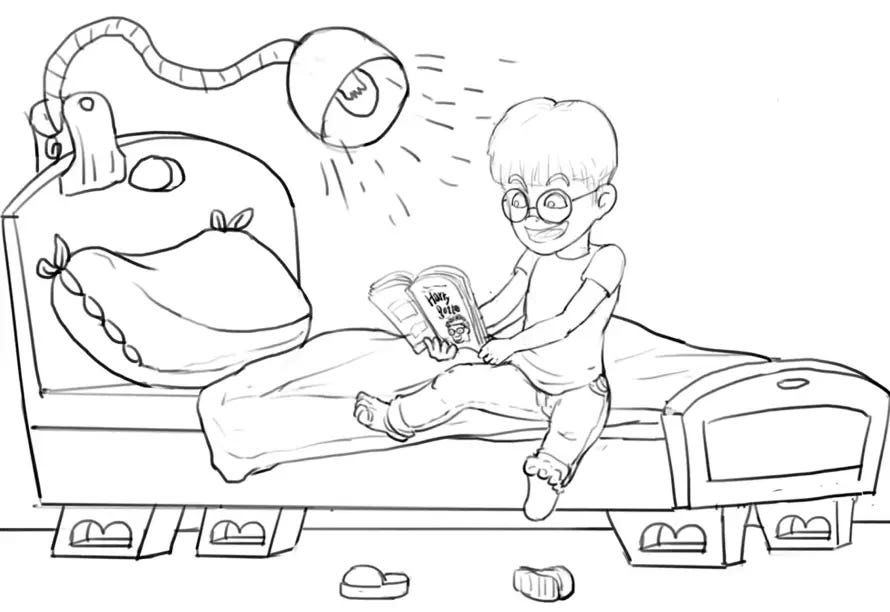
Jonas understood. He went home and chose his first book to read that evening.
Harry Potter.
If this resonates with you:
Need help for your child? Sonya works with a limited number of families directly. [Tell us about your child →]
Know a child who needs this? Share this with their parent.
Interested in learning this? We train capable women in this craft. [Find out more →]
Know a podcast or publication that would benefit from this? [Let’s talk →]