
“I hope he gets run over!”
A nine-year-old starts saying things that mortified her parents.
Ana (9) suddenly began apologizing out of nowhere. For everything. Up to 50 times per day.
Compulsively, constantly, for no apparent reason. Sorry. Sorry. Sorry.
Her parents initially hoped it was just a phase.
But it got a lot worse.
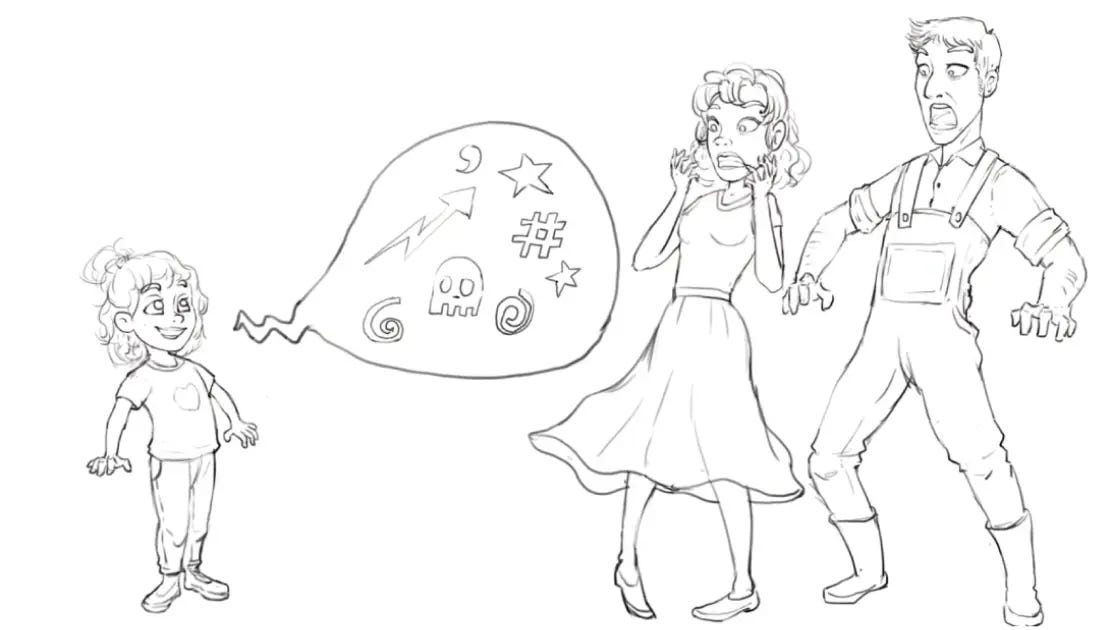
Ana started saying sentences that had no place in the mind (and mouth) of a nine year old.
One example: they were walking together when a car had to brake suddenly for someone crossing the road. Out of nowhere Ana said:
“I hope he gets run over.”
Her parents froze.
There were other words. Sexual, crude, completely out of character.
At school she held it together. At home, where she felt safe enough to lose control, she couldn’t anymore.
The parents weren’t just worried anymore. They were mortified. These kinds of statements in public, by their nine-year-old daughter, carry a weight that’s hard to describe to anyone who hasn’t experienced it.
The looks. The silence. The question of what this means about their child, their family, themselves.
Three sessions. That’s what it took. But the path to the answer wasn’t straight forward.
In the first session I mapped out patterns. Investigated what she felt before the compulsion arrived, and what she felt after.
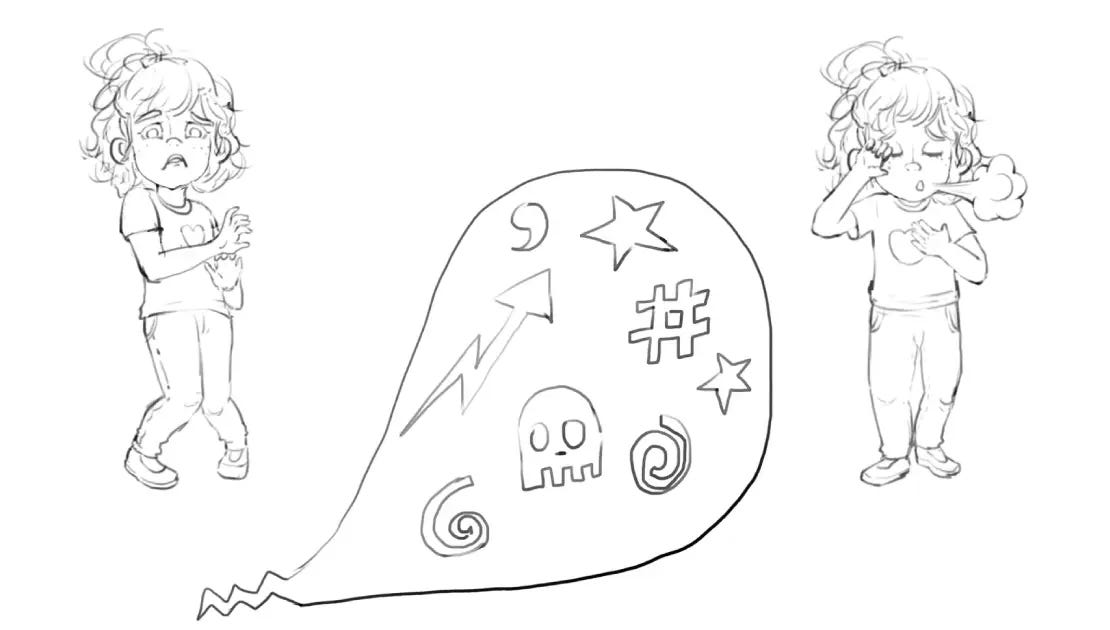
Before it was: pressure, a feeling of I need to, I must. After: huge relief. Now it’s okay again. Temporary, but still real.
It was an intense session, long for a child her age. She was exhausted afterwards. She almost fell asleep during the debrief with her mother.
The first week had been slightly better. Then the compulsions came back. We were making progress but hadn’t found the true cause yet.
In our second session more feelings emerged: shame and guilt. We visualized different memories and events of her life.
There was a common thread:
feelings of not getting enough love and attention.
Before our third session Ana’s father said it was already sixty percent better.
Meaningfully improved. But the core trigger was still a mystery.
I tried another strategy. I asked Ana:
“If your compulsion had a human form, what would it look like?”
She went quiet. Then the breakthrough moment:
“It’s my little brother.”
For a moment I was speechless. Then I remembered her father had mentioned Ana was sometimes jealous of her younger brother.
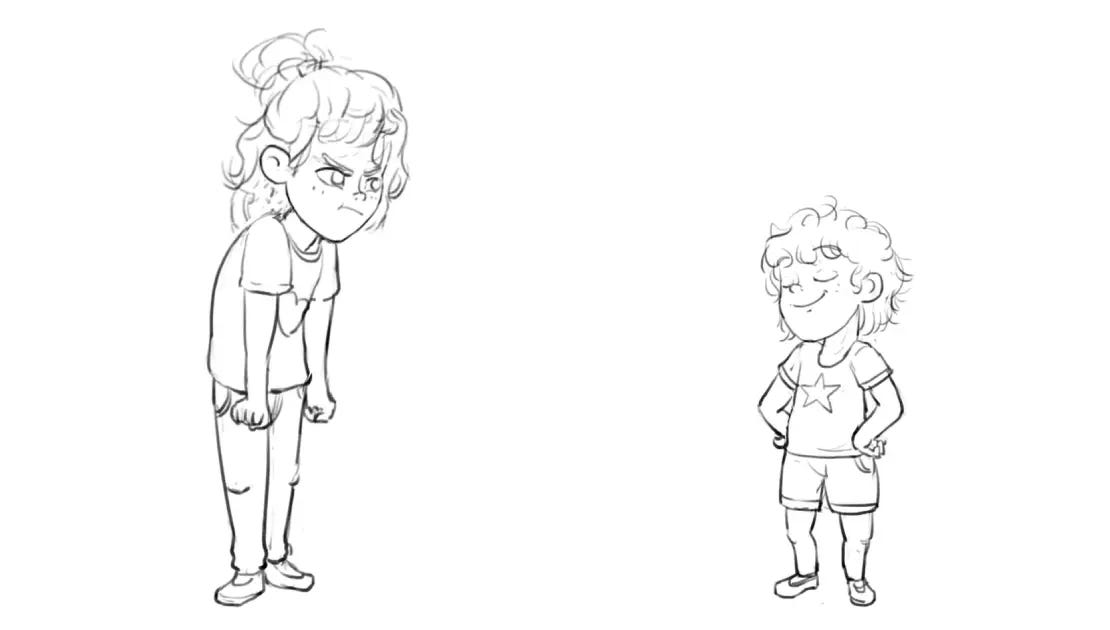
This case suddenly made sense.
A felt sense of not receiving enough love and attention that got amplified when her younger sibling arrived. She now had to share what already felt insufficient. The compulsions were the pressure valve.
This is something I’ve observed more than once with siblings. A child can carry a felt sense of love-shortage from very early. This is almost never because the parents failed, but because the child stored an emotional deficit that wasn’t objectively real. When a younger brother or sister arrives, that deficit feels like it’s being divided further. Competition begins. Resentment builds.
And it can express itself in ways that look nothing like jealousy on the surface.
Several weeks later my phone rang. A child’s voice said:
Mrs. Mosimann. I am not doing it anymore!
At first I had no idea who I was talking to. Only after she told me her name did it click.
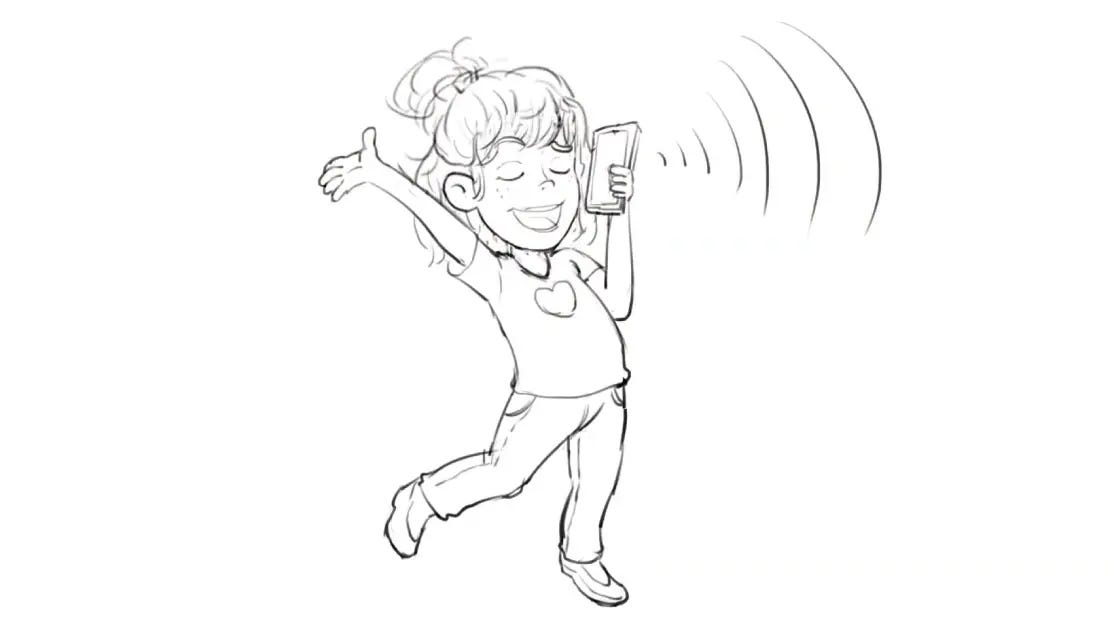
She was so proud as she shared how those thoughts and compulsions had stopped. Her mother later hopped on the call and told me Ana wanted to tell me personally.
A nine year old who had been saying unspeakable things in public, calling me weeks later to say she’s not doing it anymore. It was one of my most memorable moments.
And one of the many reasons why I Iove this work.
If this resonates with you:
Need help for your child? Sonya works with a limited number of families directly. [Tell us about your child →]
Know a child who needs this? Share this with their parent.
Interested in learning this? We train capable women in this craft. [Find out more →]
Know a podcast or publication that would benefit from this? [Let’s talk →]