
Catching Laughter
How this traumatized boy went from biting doctors to inserting his own catheter
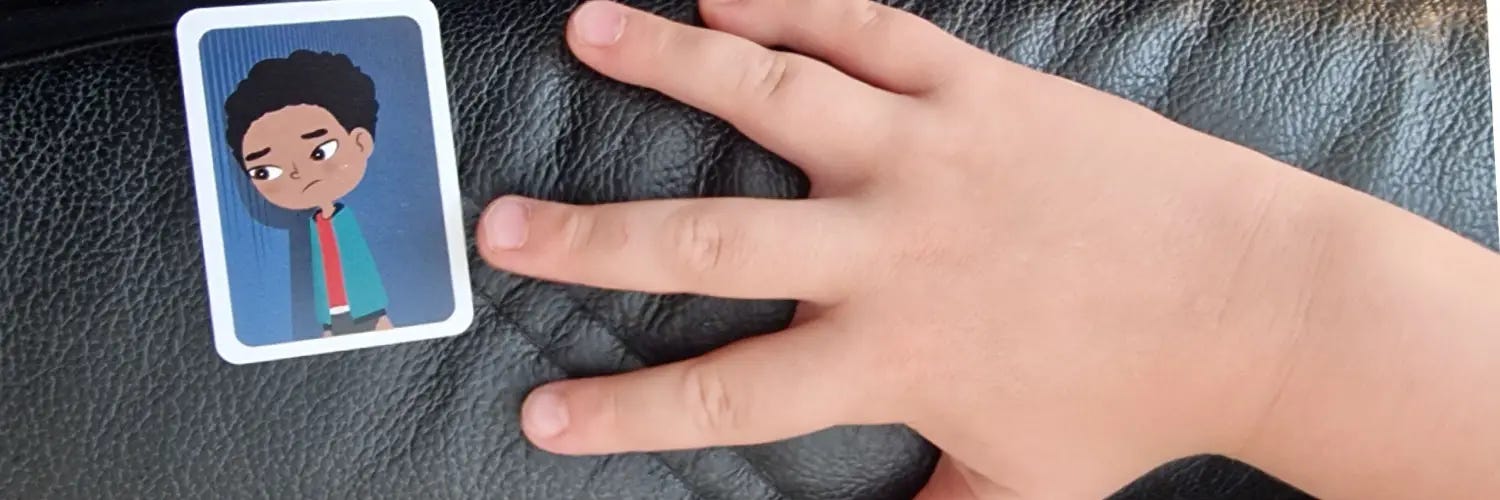
This child is a “project”
Six years old, almost 7. Born with a spinal malformation. Two surgeries, each eight hours long. The bladder nerve was hit during the first operation, forcing him to have a catheter. Sedated for three days straight for the second.
Difficult behavior. At school in conflicts he would hit teachers, staff and neighbors.
On top of all this his speaking abilities were severely limited and even those few words he spoke were almost impossible to understand. Next level difficult to work with.
Not surprising that multiple psychologists declined to take him on.
I could tell from the intake form how desperate his mother was. She couldn’t really articulate a clear goal. Basically, please help. any help helps.
I asked her what pained and worried her most.
“I dread the next hospital visit. Helplessly standing there, watching him scream, kick and bite. Nurses holding him down to administer a relaxant. It breaks my heart. I really don’t ever want to have to see that again.”
We defined that as a goal. To make the next hospital visit lighter to bear.
1st Session
On this day a tornado hit my practice.
He couldn’t sit for 10 seconds. Wouldn’t follow a single instruction. He moved through the room touching everything, taking everything, ignoring every boundary.
I stayed calm.
That was the whole first session. Thirty minutes, basically making sure my practice remained intact.
Staying present while a six-year-old expressed, in the only language available to him, everything he had been carrying.
Impossible to work with.
A week later I got a message from his mother.
There had been an escalation at school.
He had grabbed his shoe and hit a teaching assistant with it. When she took his hands and said stop, he dropped the shoe and hit her directly. A second assistant tried to help. He hit her too.
She asked me if I could look a this with him in the next session.
2nd Session
I dreaded this session.
The night before I went through my practice and put my things away. Locked things in drawers. Hid anything that could be thrown, torn, or used as a weapon. Made everything tornado proof.
To my surprise, a completely different child arrived.
Not slightly calmer. Not marginally more manageable. Quiet, present, cooperative in a way he had not been at all two weeks earlier.
I almost felt a bit guilty for having locked everything away.
His attention span was still ultra short. His speaking was still limited.
I used illustrated cards showing children in different emotional states. And showed him some smileys on my laptop. He pointed to this one:
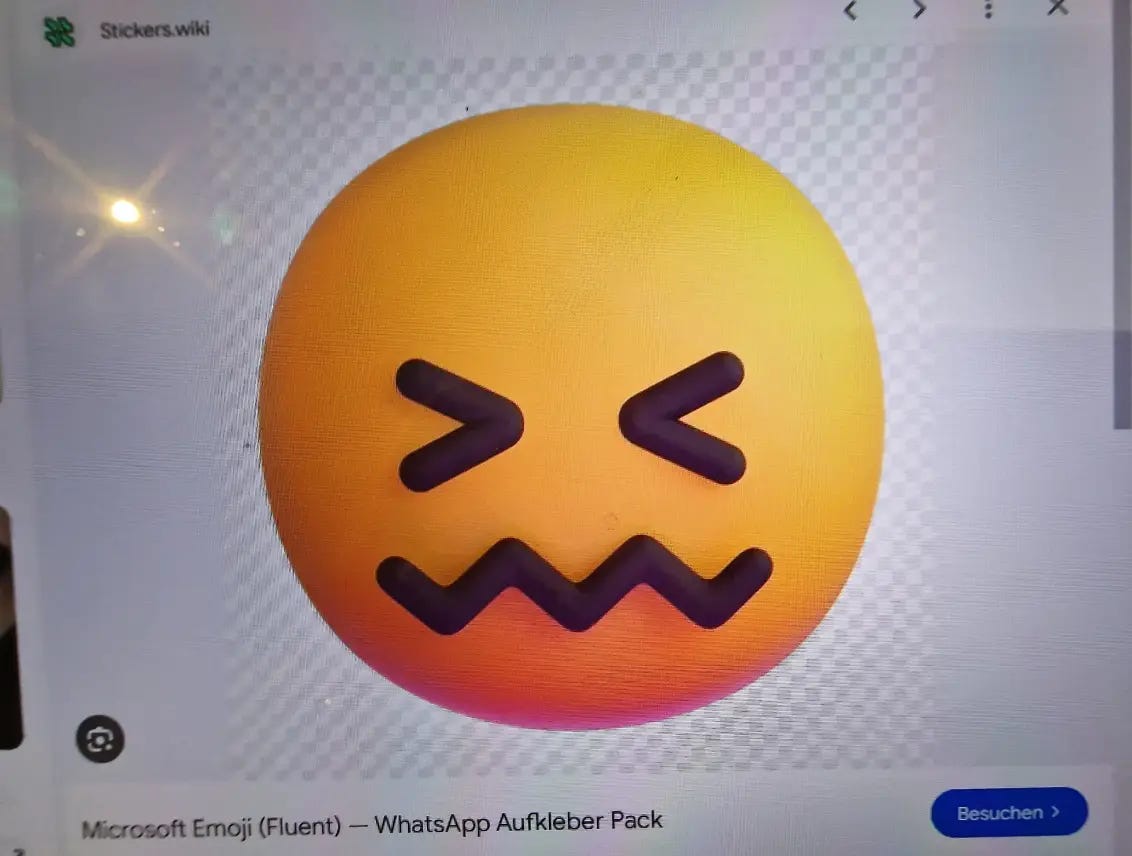
He told me, in his way, that he had lots of “aua” (pain) in his tummy.
I showed him a magnet. Demonstrated how it pulls metal toward it. Then I told him we could use a magnet to pull all the “auas” out of his tummy.
This hyperactive, barely containable child lay completely still.
For almost a full minute he lay there as I moved the magnet slowly over his stomach. His eyes were closed. His body was still. The room was quiet.
Then he said it.
“Smileys coming out. Aua coming out. Aua coming out.”
That moment moved me. This boy who had been through two surgeries, who had been sedated and restrained and hurt by medical procedures more times than he could count, lying still, eyes closed, watching pain leave his body.
It was one of the most beautiful things I have witnessed in fifteen years of doing this work.
3rd Session
He came with his father this time.
And it was tornado all over again.
He could not be kept still.
Most of the time, he was too worked up to even speak, so what helped for short moments was allowing him to express his feelings through my emotion cards and through painting.
Eventually he drew on my table, the walls. And on me.
What stood out in this session was how strongly he hated one specific emotion card. I asked him what he thought of himself — “Do you like yourself?” — and showed him the card representing his self-image. Without saying a word, he grabbed the card, scrumpled it up, and threw it on the ground.
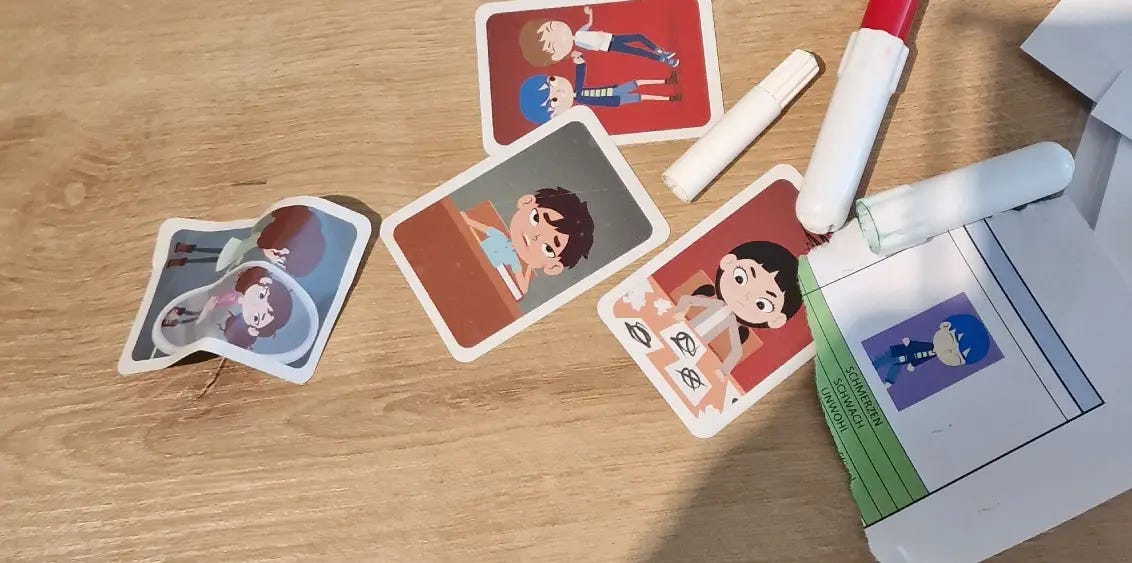
That crumpled card told me a lot about what was driving the biting, the hitting, the chaos.
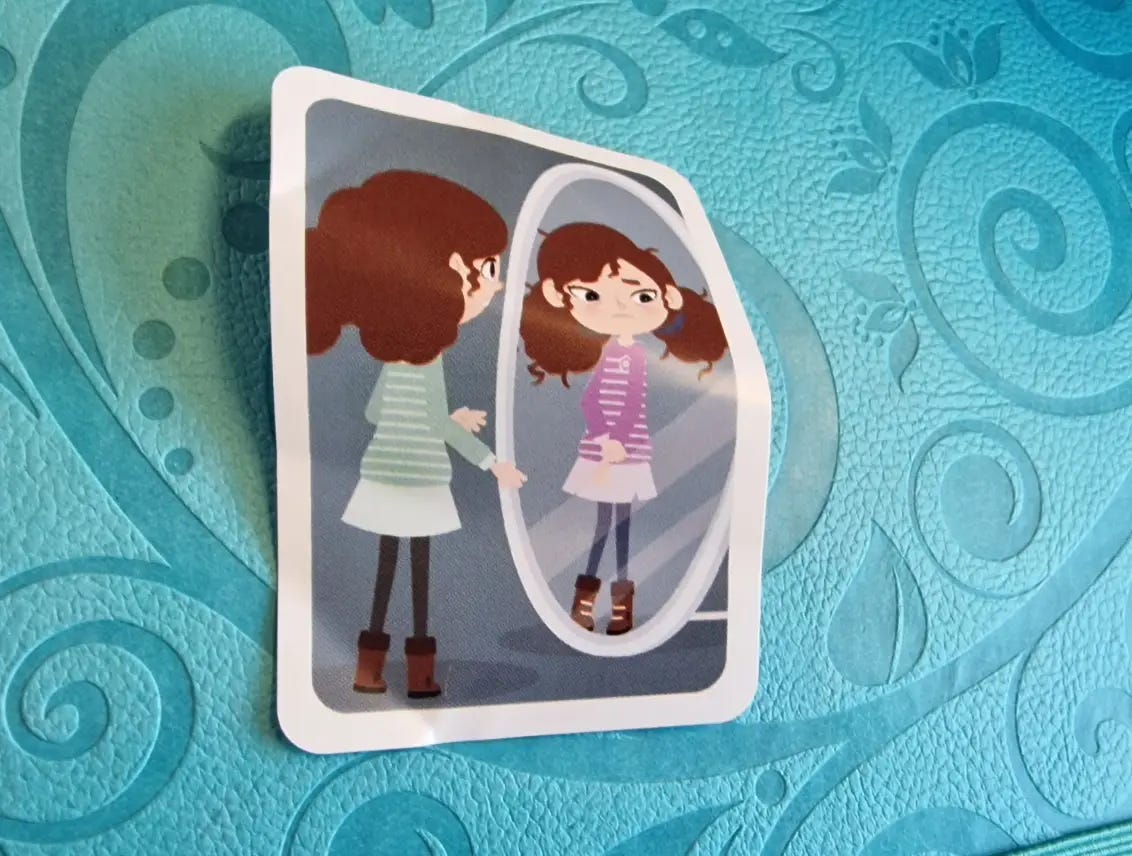
Underneath it all was a child who looked at himself and felt something unbearable. All the pent-up emotions from difficult experiences led him to do and say things he didn’t want to, which in turn created deep frustration toward himself.
4th Session
He had been away on holiday. It must have done him good, since he arrived calmer again.
Not calm like in the second session. But present enough to at least work with him in short bursts. Again it worked best if I had him paint.
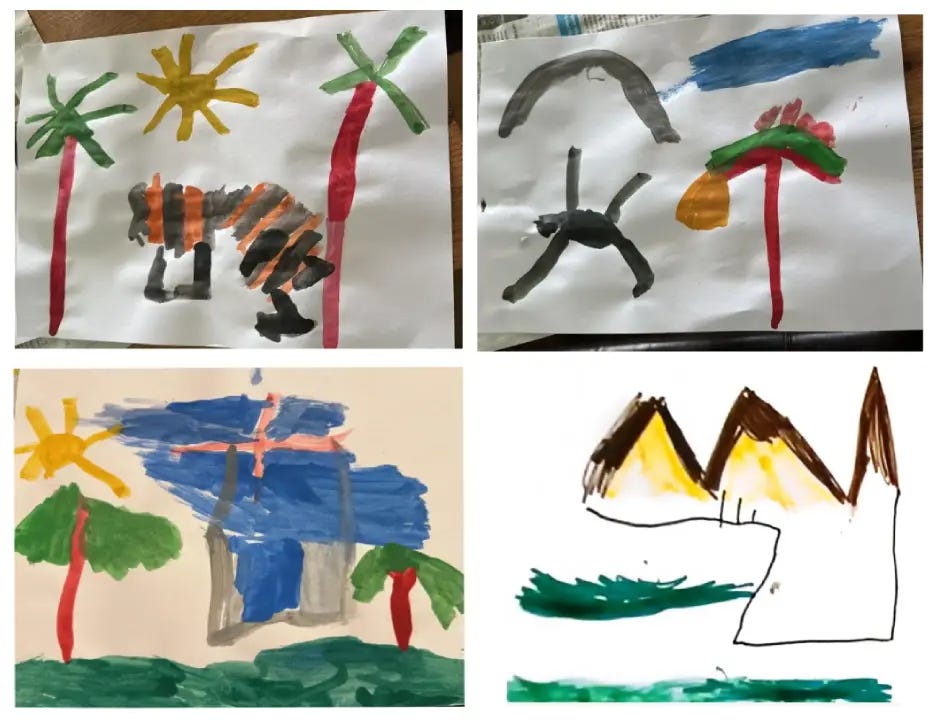
School had just started. Surprisingly well, his mother said. Some conflicts, but nothing like before. Very promising.
I continued using the emotion cards to uncover patterns and noticed that the card representing sadness and pain was among the two most frequently chosen.
The biting. The hitting. That was only the surface.
Underneath it all, sadness and pain were the root.
The emotion cards became a locator—helping us find where those feelings lived in his body. He would slowly move the card across himself until his hand stopped, as if his body already knew where to go.
Then came the part he loved most: placing a real magnet over that spot and imagining the feeling being pulled out. It was active, physical—something he could do rather than explain. And for him, that made all the difference.
We couldn’t go deep yet. His attention span was still too short, his language still limited, and the trust still building. But slowly, very slowly, change was happening.
5th Session
The next hospital visit was getting close.
Hopefully, no screaming, no biting, and no having to hold him down. That was the goal we had been building toward since the first session.
When he arrived for the fifth session with me, he was not just calm but grounded. Present in a way I hadn’t seen before.
Here is this boy, who had drawn on my walls and couldn’t sit still for thirty seconds, sitting in a chair and willing to work with me.
I knew his entire inner world around hospitals revolved around pain, sadness, fear, and rage. Built from surgeries, restraints, and procedures he couldn’t understand, administered by people he had learned to fear completely.
So, I addressed the hospital directly:
I held his hand, told him to close his eyes, and slipped into the role of a doctor. I explained to him that we were trying hard to help him get better. And that we were deeply sorry that it sometimes hurt him.
I even asked: “Can you forgive us?”
A small voice answered.
“Yes.”
That yes, from this traumatized child, was one of the most significant moments in this entire case.
After this precious forgiveness moment, he opened his eyes.
I showed him photographs on Google. Children in hospital situations, laughing. With friendly doctors and nurses beside them.
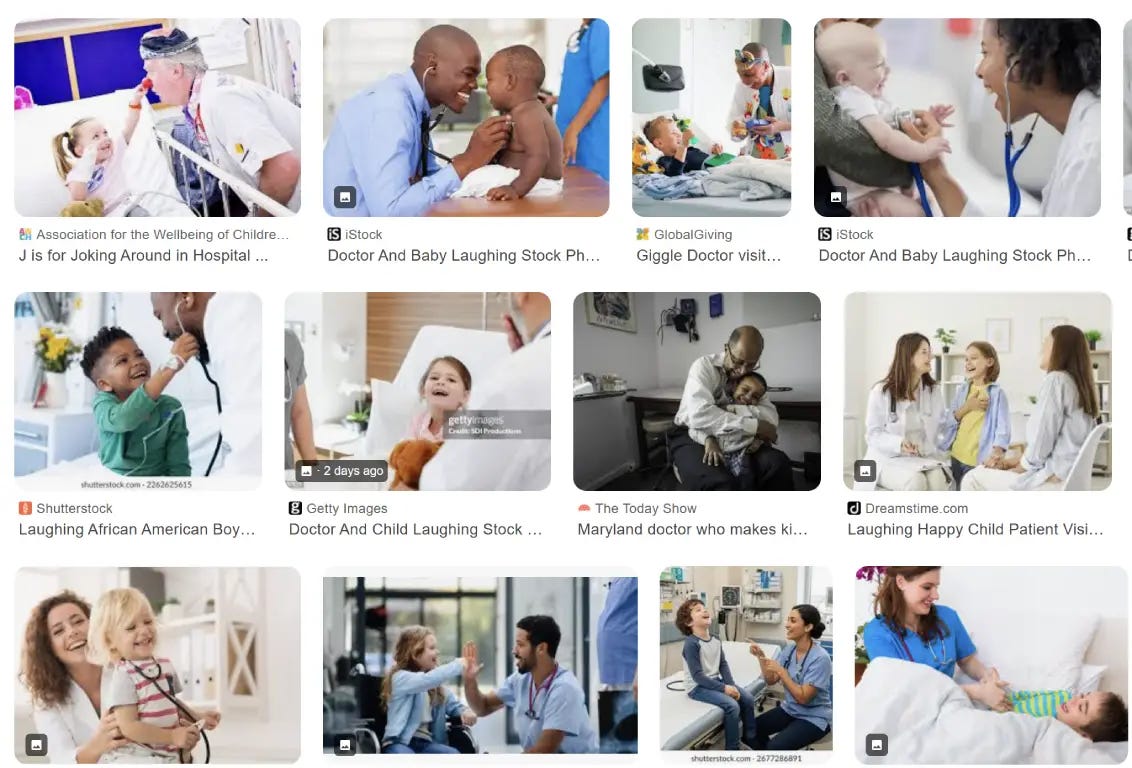
I asked him: How is it possible that these children can laugh in a hospital?
He looked at the photos.
Then I asked if he thought he could do that too.
“Yes,” he said. “I can.”
We finished up with another powerful exercise:
We collected laughter. We made cups with both our hands and laughed loudly into our hands, filling them with laughter. Then we pressed that laughter into our belly, chest, and head.
I asked if he was ready to go to the hospital.
“Yes,” he said. “I am.”
On September 2nd 2024, he went to the hospital.
No drama, no restraints.
It was the calmest he had ever been in a medical setting.
What Came After
The work with this boy continued for several more months. Twelve sessions in total across more than a year.
There were breakthroughs. He stopped wearing diapers outside the home and announced, in his direct way, that he was a big boy. A vaccination went well. He began making progress in language and mathematics at school. Real, measurable progress.
He even learned to apply his own intermittent catheter. A child who once needed two adults to hold him down for a needle, now managing his own medical procedure, independently.
There were also setbacks. Moments when the diapers came back. Emotional relapses when something changed in his environment. Some things that had shifted came back. Some things that should have been resolved didn’t.
This is what long-term work with a complex child actually looks like. Not a straight line. Not a clean resolution. A series of advances and retreats, each one leaving something slightly different behind.
This child is not “fixed” in the simple sense. He carries a medical reality that requires management, and a trauma history that will not disappear in twelve sessions.
But what I can say is this:
He arrived as a child whom nobody wanted to work with. His mother arrived, unable to articulate a single goal because she had stopped believing goals were reachable.
He left session five having just made a hospital visit possible.
A child who once needed to be held down for a procedure walked into a medical setting and stayed calm.
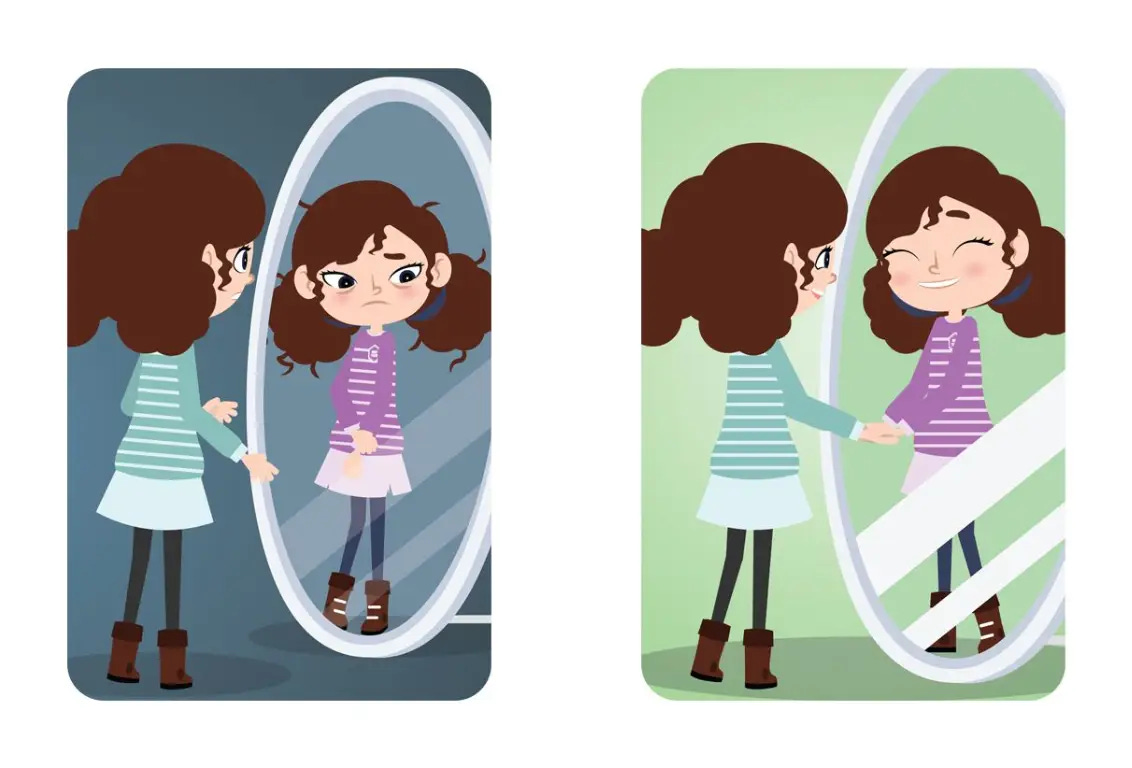
I also think back sometimes to that crumpled emotion card on my floor. From a child who couldn’t bear their own reflection.
I truly believe he looks at himself differently now than he did in June 2024.
If this resonates with you:
Need help for your child? Sonya works with a limited number of families directly. [Tell us about your child →]
Know a child who needs this? Share this with their parent.
Interested in learning this? We train capable women in this craft. [Find out more →]
Know a podcast or publication that would benefit from this? [Let’s talk →]