
Big Kid’s Tricks
A 7-year-old said inappropriate things at school. Shaming him wasn't going to work.
The moment every parent dreads. The teacher calls.
“Good evening, Mrs. X. Do you have a moment? We need to talk.”
These parents had just that happen. Their seven-year-old son had started making sexual comments at school. Even touched other children.
This kind of situation doesn't stay private for long. Word gets around. And suddenly a family is defined by something their seven-year-old didn't even understand he was doing wrong.
When they brought their son to me, Mattia arrived completely unconcerned.
He told me he had seen “cool guys” smoking and drinking on YouTube. He’d also watched two teenagers kissing and thought it was “great”.
Mattia simply didn’t see what the problem was.
And in a sense, he was right. None of those things were wrong in themselves. They were just wrong for now. Inappropriate for a seven-year-old, of course.
I didn’t shame or lecture him. Instead, I tried to focus first on establishing a difference between things that belong to adults and things that belong to kids.
His YouTubers, the teenagers kissing, they were all older. Bigger. Doing things that belong to adults. He understood.
Then I added another layer.
We shifted to his passion: skateboarding.
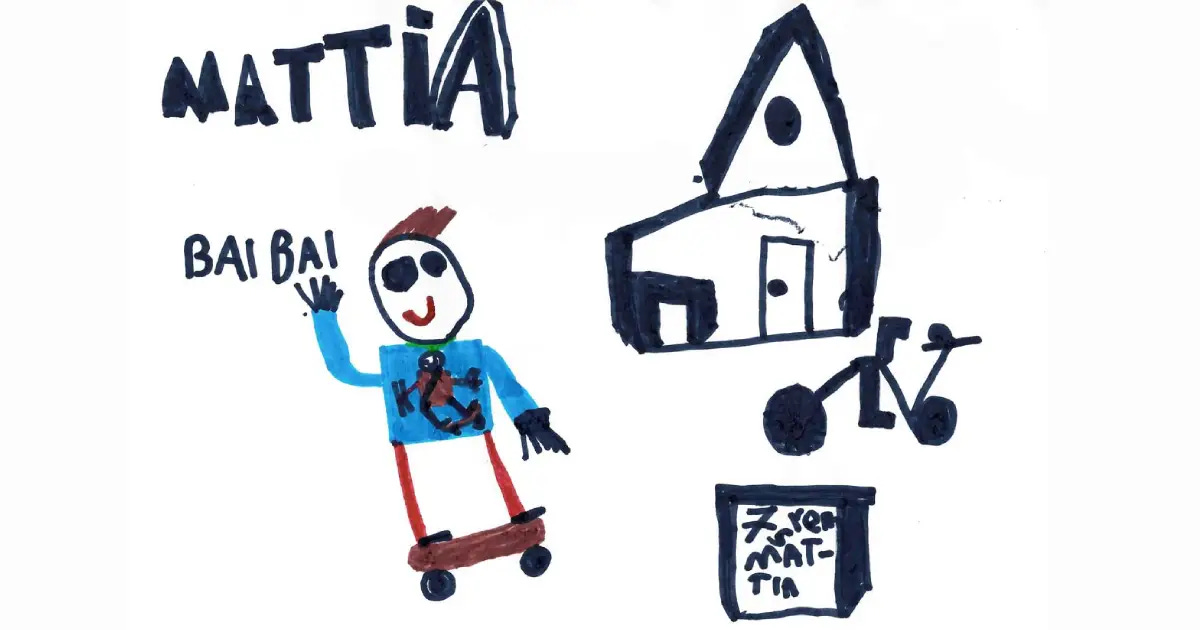
Skateboarding requires lots of control. Discipline. Knowing when to push and when to hold back. I asked him if he can already do the tricks that he sees on YouTube.
No. Because those are big kids’ tricks. You need to first do small kid tricks. Start there.
A seven-year-old can’t process delayed gratification or age-appropriate behaviour yet. That require adult reasoning.
But a seven-year-old who skateboards knows exactly what it feels like to attempt a trick before he’s ready. He’s felt it in his body. Has fallen off because of it.
That knowledge was already in him. I helped him connect the dots.
His time would come. As a young man, he’d get to experience all of it. The big skateboarding tricks. And the other perks, of course.
Towards the end, I had him visualize all the good things he got to enjoy now at seven. His skateboard, soccer, his friends at school. Zooming around on his bicycle.
He left with those images in his head.
The other subject never came up at school again.
If this resonates with you:
Need help for your child? Sonya works with a limited number of families directly. [Tell us about your child →]
Know a child who needs this? Share this with their parent.
Interested in learning this? We train capable women in this craft. [Find out more →]
Know a podcast or publication that would benefit from this? [Let’s talk →]